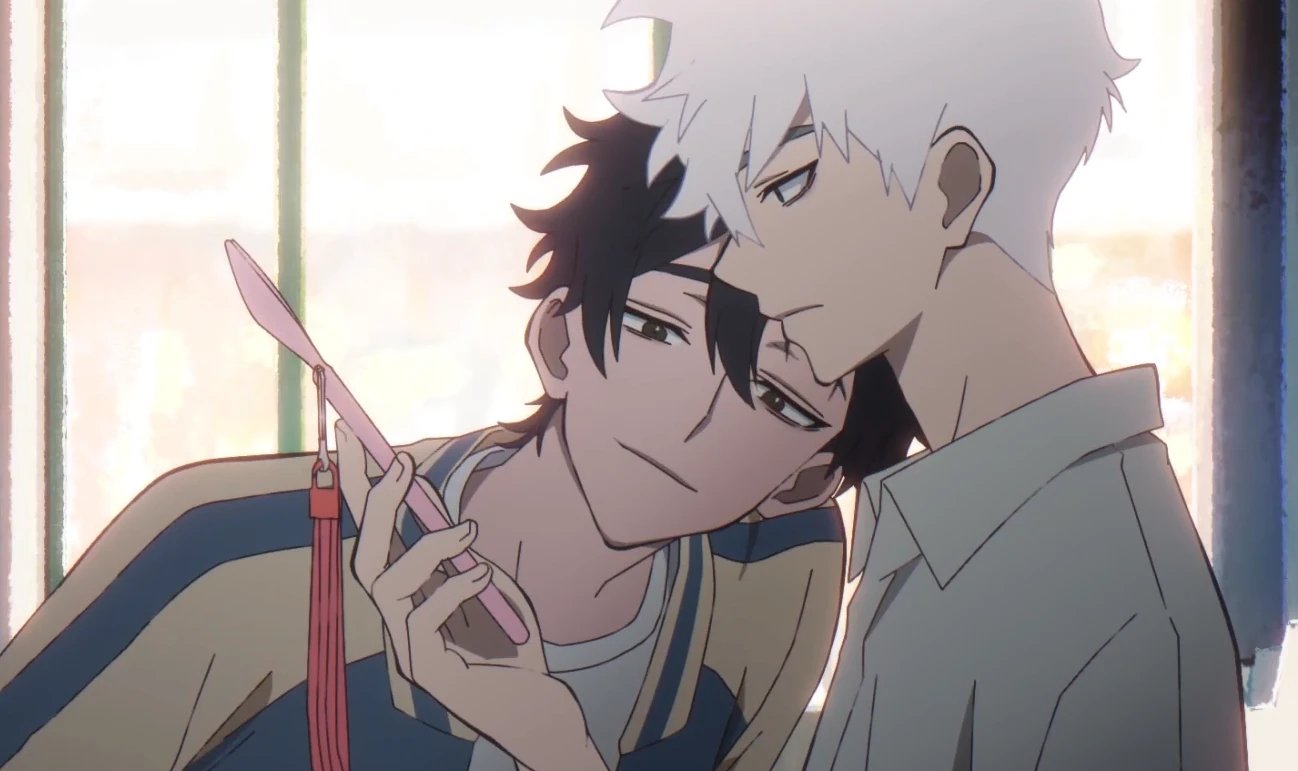
There’s something magnetic about Cheng Xiaoshi and Lu Guang. From the moment they clap hands and dive into a photograph, their partnership feels larger than the cases they solve. Link Click (时光代理人) has never been an explicit BL series. Yet across three seasons (plus the Bridon Arc), it has become one of the most lovingly, deliberately bromance-coded donghua in recent years—so much so that danmei and queer-coded media fans keep returning to it with open hearts and hopeful eyes.
Why Link Click Is the Ultimate Bromance-Coded Donghua?
The Foundation: Season 1’s Quiet Intimacy
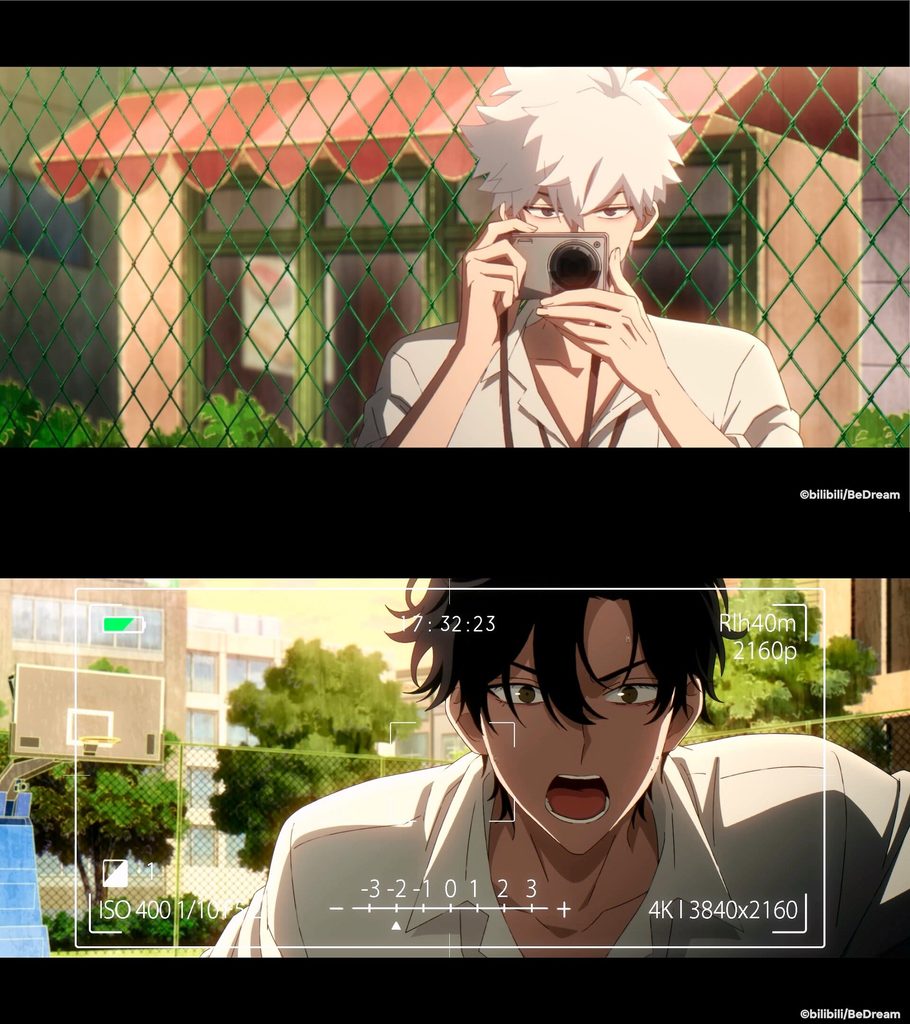
Season 1 introduces us to two very different young men running a small photo studio. Cheng Xiaoshi is impulsive, warm, and emotionally open. Lu Guang is reserved, rule-bound, and quietly protective. Their dynamic is built on contrast and complementarity: one dives into the past while the other anchors him from the present.
The coding is already present in the details. They share a living space. They finish each other’s sentences during missions. Lu Guang’s gaze lingers. Cheng Xiaoshi teases and leans into physical closeness without hesitation. Moments of vulnerability—Cheng Xiaoshi breaking down, Lu Guang simply staying—are framed with the kind of care usually reserved for romantic leads. The series never labels their bond, but it treats their connection as the emotional center of every episode. Viewers who came for the time-travel mysteries often stayed for the way these two orbit each other.
Raising the Stakes: Season 2’s Emotional Weight
Season 2 deepens everything. The cases grow darker, the consequences heavier, and the reliance between the two protagonists more absolute. Lu Guang’s protectiveness intensifies; Cheng Xiaoshi’s trust becomes almost blind. We see more of the cost of their partnership—physical danger, moral conflict, and the quiet fear of losing each other.
The domestic texture remains (the studio still feels like a shared home), but the emotional register rises. Sacrifices are made without hesitation. Looks carry more weight. The series continues to refuse an explicit romantic label while making it increasingly difficult to view their relationship as purely platonic friendship. For many fans, Season 2 is where the “just partners” reading starts to feel insufficient.
Turning Up the Volume: The Bridon Arc
The Bridon Arc (often treated as a bridge or special season) is where the coding becomes hardest to ignore. Longing looks, jealousy undertones, protective possessiveness, and a catalogue of classic soft-BL tropes appear with greater frequency and intensity. The arc leans into the emotional intimacy and the sense that these two are bound by something deeper than circumstance.
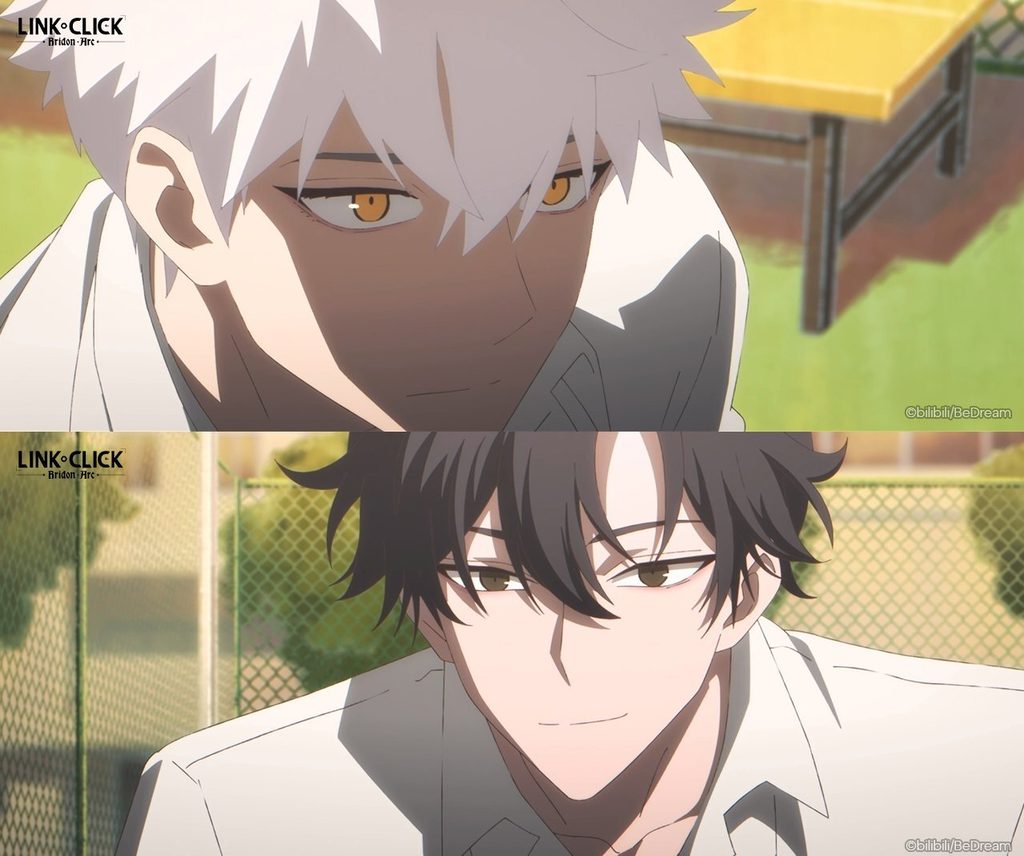
Because Chinese media operates under strict censorship regarding LGBTQ+ content, creators often rely on subtext, visual language, and emotional excess. Link Click has always understood this language. The Bridon Arc simply speaks it more fluently. Fans who had been reading the earlier seasons as coded found their interpretation strongly validated.
Season 3: Destined and Devoted
Season 3 (Part 1 premiered August 14, 2026) continues the trajectory while adding new layers. Early episodes expand the history between Cheng Xiaoshi and Lu Guang, revealing a childhood connection that complicates everything we thought we knew about their first meeting. Memory, forgotten bonds, and the quiet devastation of one person remembering what the other has lost become central.
Lu Guang’s emotional vulnerability is more visible. The sense of fate and mutual dependence grows stronger. The series still refuses to cross into explicit romance, yet the emotional architecture—shared past, profound trust, willingness to rewrite rules for each other—reads as deeply intimate. After three seasons of carefully constructed subtext, the bond no longer feels incidental. It feels foundational.
Why Danmei and Donghua Fans Root for It
Danmei fans and viewers who seek queer-coded stories in Chinese media often root for Link Click for several interlocking reasons:
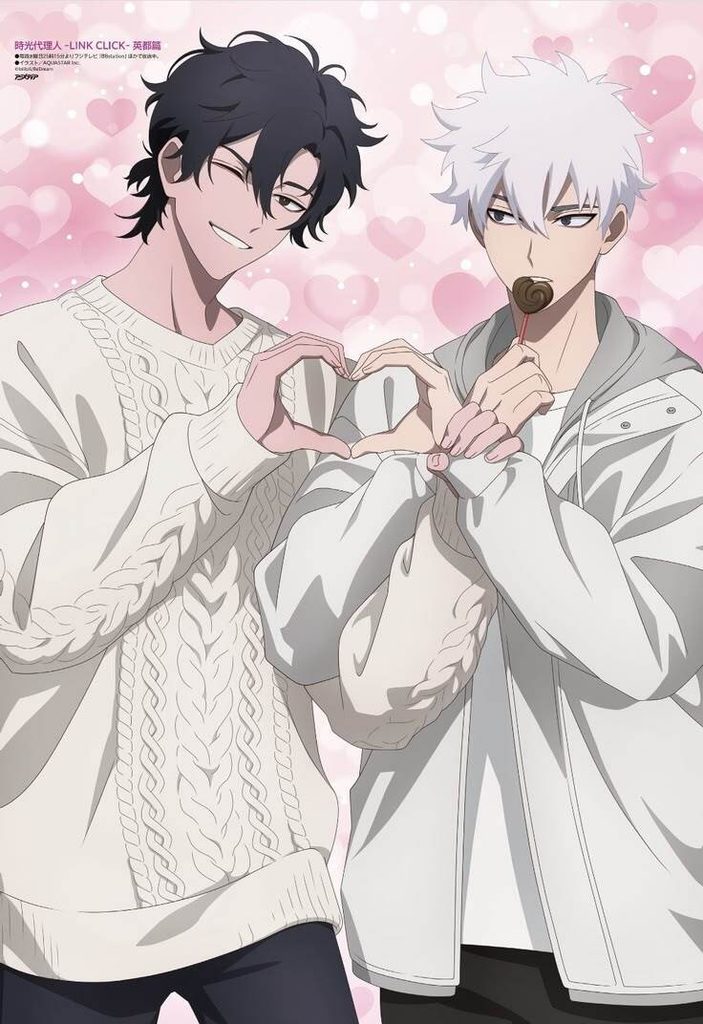
Masterful use of censorship constraints. In an environment where explicit same-sex romance is restricted, Link Click delivers rich emotional intimacy, visual devotion, and narrative centrality to a male-male pair. It becomes a space where fans can project, interpret, and find resonance without the story ever “breaking” official rules.
High production quality married to emotional sincerity. The animation, direction, voice acting, and score treat the relationship with genuine care. It never feels like cheap fanservice. The coding arises organically from character and story.
The power of the “almost.” The unresolved tension—the way the series constantly approaches romantic territory without claiming it—fuels engagement. Fans create art, fic, analysis, and community around the space the show leaves open. That creative energy is part of the appeal.
Found-family depth that still prioritizes the central duo. Qiao Ling and the wider circle matter, but the emotional engine remains Cheng Xiaoshi and Lu Guang. Their partnership is never sidelined for other relationships.
A story that keeps rewarding attention. Each new season and arc adds history, complication, and emotional weight to the bond. Long-time viewers feel the evolution; new viewers can still feel the intensity.
A Bond That Refuses to Be Simple
Link Click is not a BL series. It is a mystery-thriller donghua about time, regret, consequence, and the people we choose to protect. Yet within that framework, it has built one of the most sustained and affecting bromance-coded relationships in recent Chinese animation. From the quiet domesticity of Season 1, through the heightened stakes of Season 2 and the denser tropes of the Bridon Arc, to the deeper history and vulnerability of Season 3, the series has steadily intensified the emotional truth of Cheng Xiaoshi and Lu Guang’s connection.
For danmei fans and anyone who finds meaning in coded stories, Link Click offers something rare: a high-quality, ongoing narrative that treats a male-male bond as essential, precious, and worth fighting for—even when it cannot say the quiet part out loud. In a media landscape that often forces such stories into the margins, that kind of careful, persistent coding feels like its own form of devotion.
And so we keep watching. We keep reading the looks, the sacrifices, the shared silences. Because in the space between what is said and what is shown, something real is happening—frame by frame, season by season.