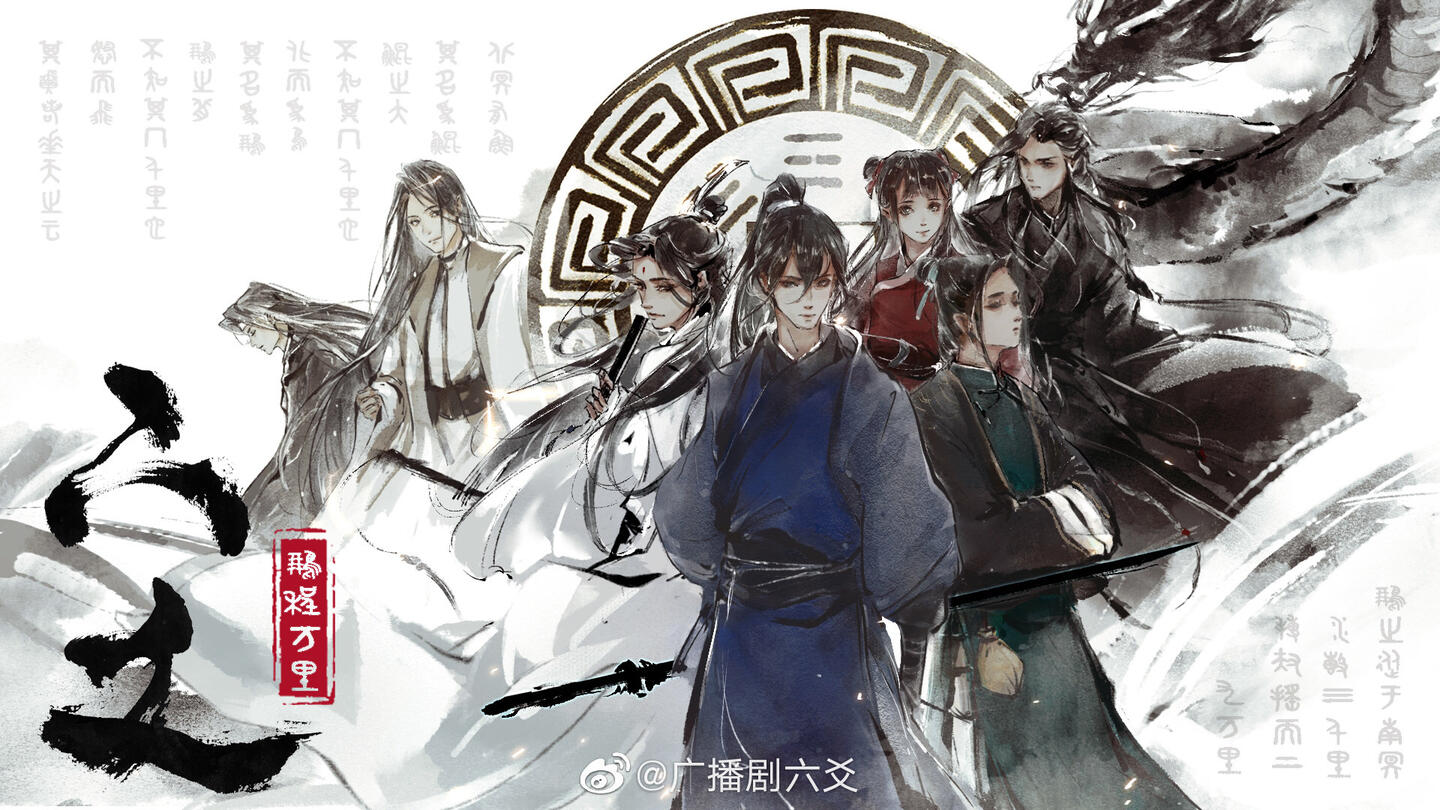
Among Priest’s many acclaimed works, Liu Yao: The Revitalization of Fuyao Sect occupies a special place. It is not the most flashy, the most angsty, or the most plot-heavy of her novels. Instead, it is a quiet, deeply human story about found family, growth, and the long road to restoring something broken.
For years, fans have waited for its animated adaptation. Trailers appeared, voice actors were announced, and hope ran high… only for the project to quietly fade into limbo. Today, we’re taking a closer look at the novel itself, what makes it special, and the complicated fate of its donghua.
Liu Yao: A Story of Misfits and Found Family
Liu Yao follows the declining Fuyao Sect, once a respected cultivation school that has fallen into near obscurity. Its eccentric master takes in a group of unlikely disciples:
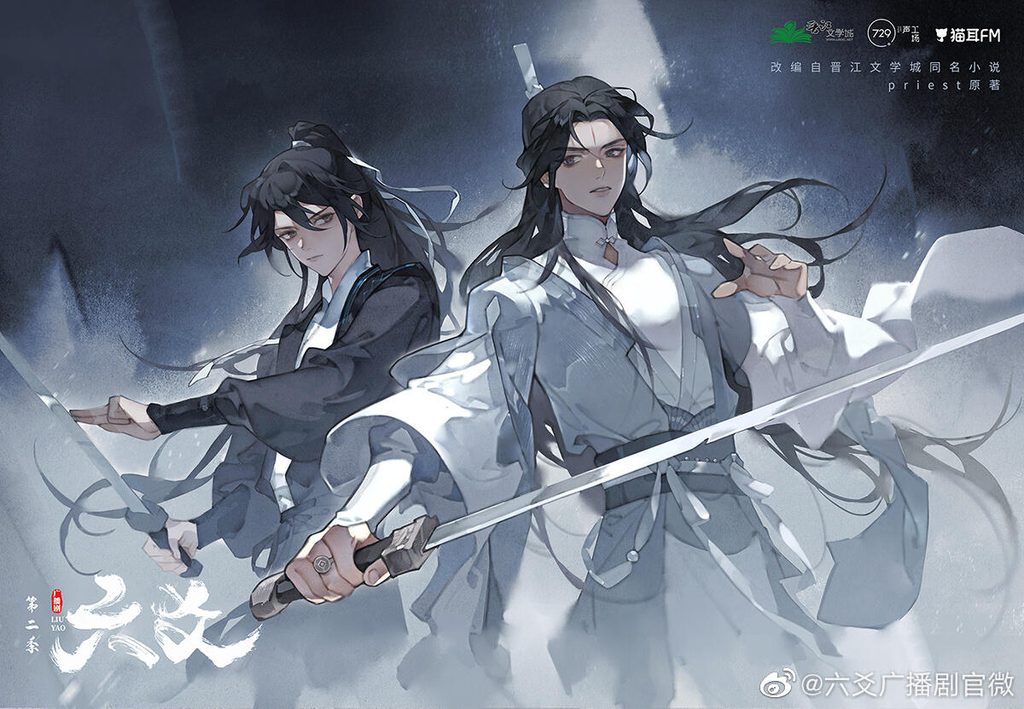
- Yan Zhengming – the narcissistic, somewhat spoiled senior brother who must eventually step into leadership
- Cheng Qian – the sharp-tongued, initially distant “meanie” who becomes the emotional core of the story
- Alongside them: a troublemaker, a self-proclaimed idiot, and a timid youngest member
When tragedy strikes and their master dies, these young disciples are forced to grow up far too quickly. They train, travel, uncover the dark secrets behind their sect’s fall, and slowly learn how to become a real family. The story spans decades (including a significant timeskip), balancing light comedy and everyday sect life with heavier themes of loss, loyalty, and the true meaning of cultivation and immortality.
What sets Liu Yao apart from many other xianxia stories is its focus. Battles and power-ups exist, but they are secondary to character development. The heart of the novel lies in the relationships — especially the deep, slow-burn bond between Cheng Qian and Yan Zhengming (the popular MingQian pairing). Their connection grows organically from martial brothers into something far more profound, grounded in shared hardship and mutual understanding rather than dramatic confessions.
Fans often praise the novel for its found-family atmosphere, philosophical undertones, and the way it questions the usual tropes of the cultivation genre. It asks: What does it mean to seek immortality when everything you love is mortal? And is a home a place, or the people who stay with you through centuries?
The Donghua Adaptation: Announcement, Hype, and Silence
In 2021, excitement peaked when a donghua adaptation of Liu Yao was officially announced. Produced by Garden Culture in association with Mango TV, the project promised a 13-episode original net animation. Character designs were revealed, promotional videos dropped, and voice actors were cast — including notable names for the main leads.
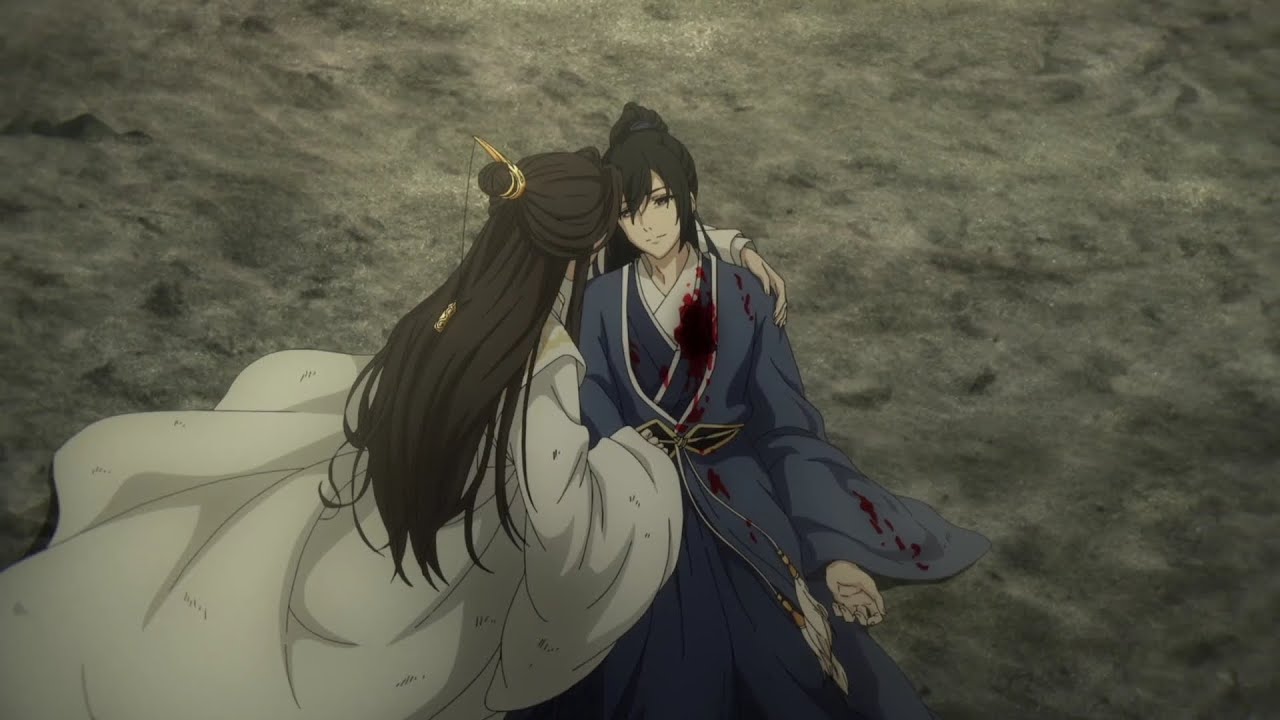
Fans were particularly hopeful because the novel’s emphasis on relationships and quiet emotional moments seemed well-suited to animation, and Priest’s works had already seen mixed success on screen (Drowning Sorrows in Raging Fire received a short season, while others like Silent Reading never made it past the announcement stage).
Then… nothing.
As of late 2026, the Liu Yao donghua remains unreleased. No new trailers, no production updates, and no confirmed release window have appeared in years. It has joined the growing list of announced-but-never-aired danmei adaptations, stuck in what fans often call “production limbo.”
Several factors likely contributed:
- China’s strict content regulations around BL (danmei) themes, which often force adaptations to tone down or erase romantic elements
- The challenges of adapting a character-driven, slower-paced story into a commercial donghua format
- Shifting priorities among production studios and platforms
While an audio drama adaptation does exist and is well-regarded by fans, the animated version that so many were looking forward to has yet to materialize.
Why Liu Yao Still Deserves the Spotlight
Even without a donghua, Liu Yao remains one of Priest’s most beloved works for good reason. It offers something rarer in the genre: a story that feels lived-in. The characters age, change, argue, protect each other, and slowly become the family they never expected to have. The romance, when it arrives, feels earned rather than rushed.
For readers who enjoy:
- Found family over pure romance
- Slow, meaningful character growth
- Philosophical questions beneath the cultivation action
- Priest’s signature mix of humor and quiet emotional weight
…this novel is essential reading.
Liu Yao: The Revitalization of Fuyao Sect is a reminder that some of the best stories don’t need constant spectacle. Sometimes the most powerful journeys are the ones where a group of flawed people simply refuse to let go of each other.
Whether the donghua ever sees the light of day remains uncertain. But the novel itself is complete, available, and more than worth your time. In a genre full of world-ending threats and power fantasies, Liu Yao offers something quieter and, for many fans, far more lasting: the feeling of coming home.
Have you read Liu Yao? Are you still holding out hope for the animation? Share your thoughts in the comments — we’d love to hear which moment or character stuck with you the most.